


MSMD Skin Therapy
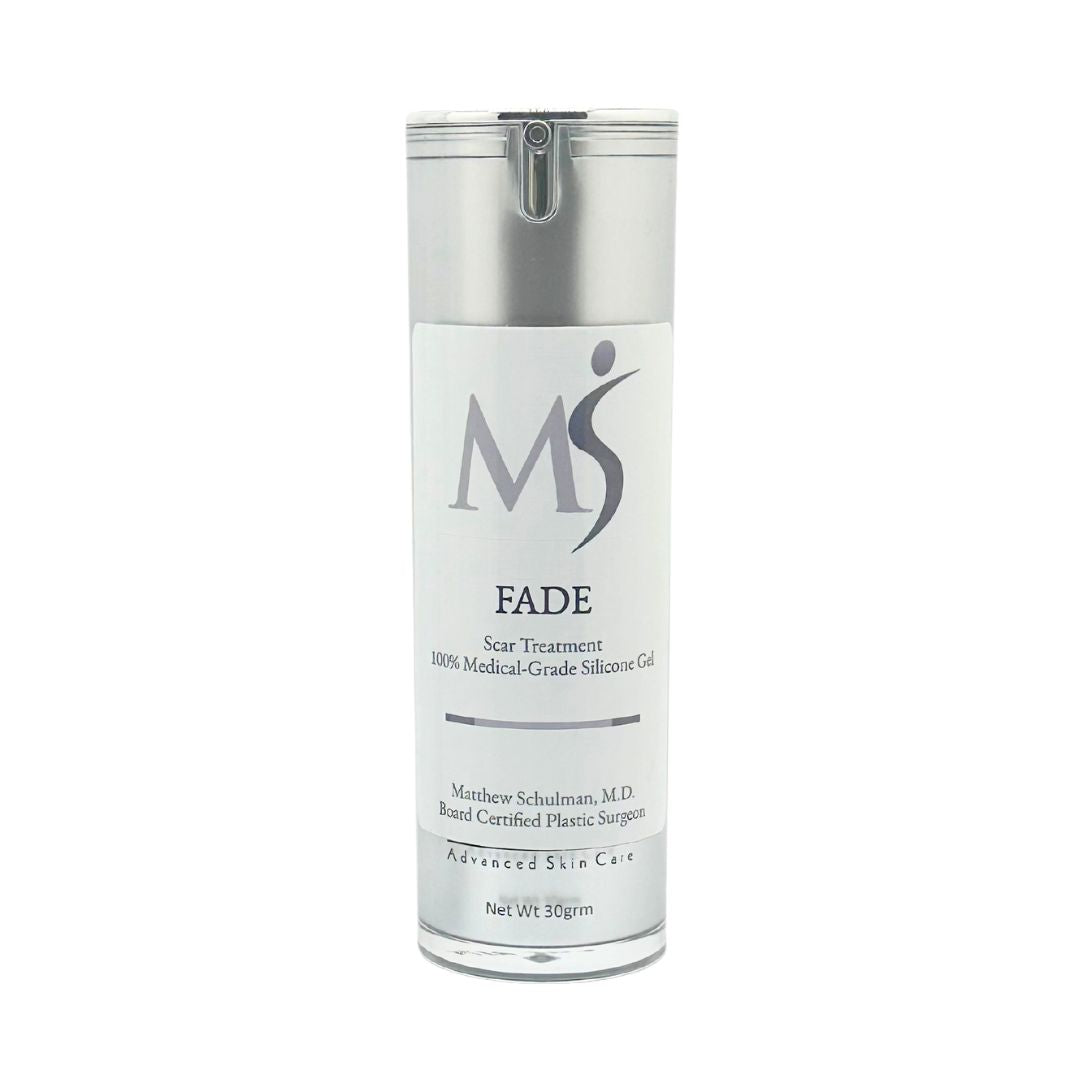
FADE Silicone Scar Gel | Medical-Grade Surgical Scar Treatment
FADE Silicone Scar Gel | Medical-Grade Surgical Scar Treatment
Couldn't load pickup availability
Medical-Grade Silicone Scar Gel for Surgical & Traumatic Scars
FADE Silicone Scar Gel is a medical-grade scar treatment formulated with 100% silicone to help improve the appearance of surgical and traumatic scars.
Developed by Dr. Matthew Schulman, a board-certified plastic surgeon in New York City, FADE is designed to provide patients with a simple, convenient silicone gel for at-home scar care.
Why Silicone for Scars?
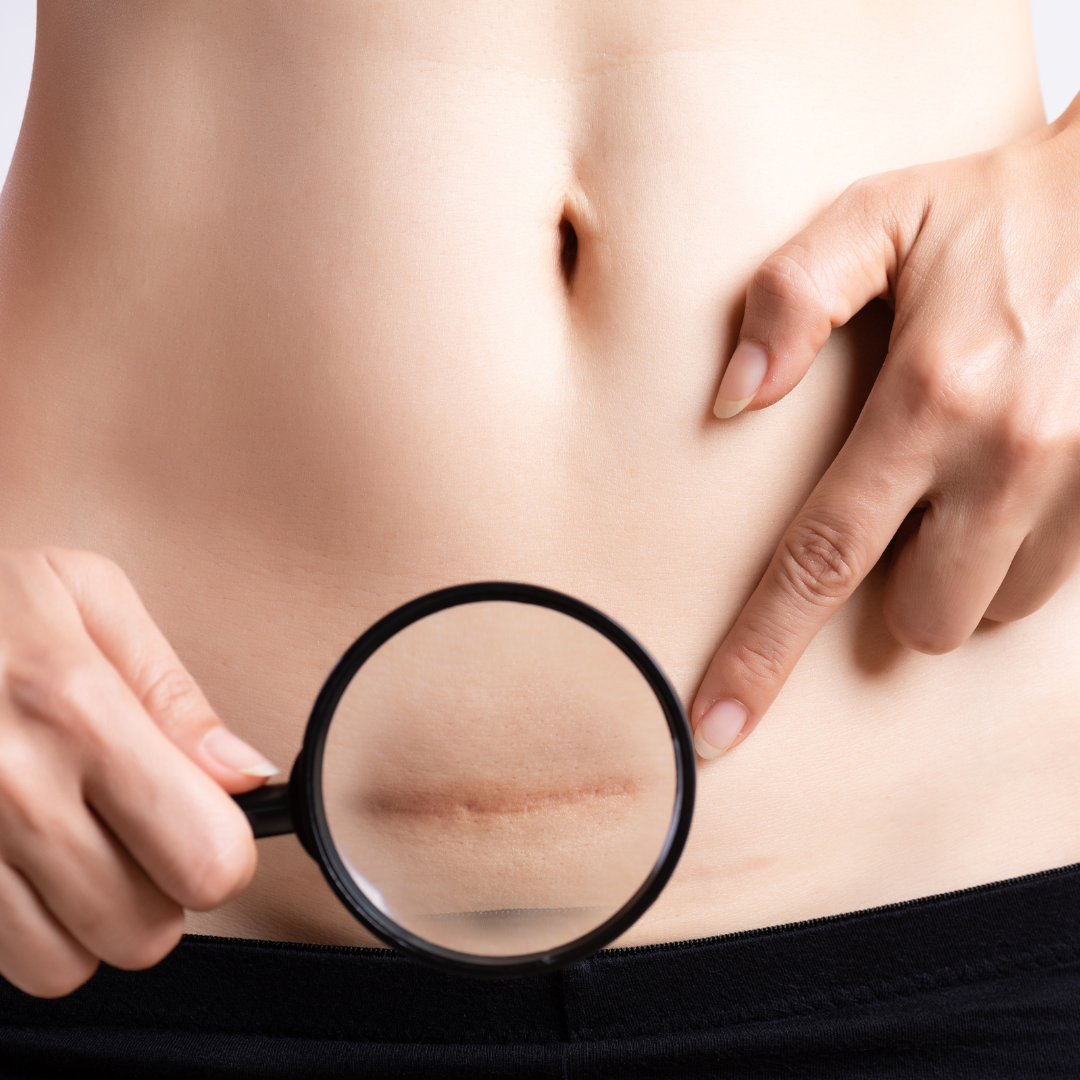
Silicone is widely used by plastic surgeons and dermatologists as part of scar management. Consistent use of silicone can help improve the appearance of a healing scar, including its texture, thickness and redness.
Unlike silicone sheets, FADE is a lightweight gel that can be applied directly to the scar, making it especially convenient for scars in areas where sheets may be difficult to wear.
Ideal for Surgical Scars
FADE can be used as part of a scar-care routine following procedures such as:
- Tummy tuck
- Breast augmentation, breast lift or breast reduction
- Facelift and neck lift
- Liposuction
- Body lift and arm lift
- C-section
- Other surgical procedures and healed traumatic injuries
How to Use FADE
Apply a thin layer directly to the scar as directed by your surgeon or healthcare provider.
For Dr. Schulman's plastic surgery patients, scar treatment is typically started approximately 2–3 weeks after surgery, once the incision has appropriately healed. Do not apply silicone scar gel to an open or unhealed wound.
Want to learn more about surgical scar care? Read Dr. Schulman’s complete guide: How to Care for a Scar After Surgery.
Scar maturation takes time. Consistent scar care over several months is important, and FADE may be continued for 6–9 months as the scar matures.
Active Ingredient
100% Medical-Grade Silicone
Plastic Surgeon Developed
FADE is part of the MSMD SkinTherapy collection developed by Matthew Schulman, MD, a board-certified plastic surgeon in New York City.
Dr. Schulman developed his scar-care protocol from his experience caring for plastic surgery patients and helping them optimize the appearance of their surgical scars.
TIP FOR USE: For patients concerned about both the appearance and discoloration of a surgical scar, consider alternating FADE Silicone Scar Gel with BRIGHT Pigment-Lightening TouchStick as part of your scar-care routine.
Want both? Save with the Scar Reducing Duo.
Share

Frequently Asked Questions About Silicone Scar Gel
Does silicone gel help surgical scars?
Medical-grade silicone is widely used by plastic surgeons and dermatologists as part of scar management. When used consistently on a fully healed incision, silicone gel can help improve the appearance of a surgical scar, including its texture, thickness, and redness. FADE is formulated with 100% medical-grade silicone for convenient at-home scar care.
When should I start using silicone scar gel after surgery?
Silicone scar gel should only be applied after the incision has fully closed and healed, not to an open wound. For my plastic surgery patients, I typically recommend beginning scar treatment approximately 2–3 weeks after surgery, depending on how the incision is healing. Follow your surgeon's specific instructions regarding when to begin scar care.
How long should I use silicone gel on a surgical scar?
Surgical scars continue to mature for many months. I generally recommend consistent scar care for at least several months, and FADE may be continued for 6–9 months as the scar matures. Consistency is important when using silicone scar gel.
Can I use FADE after a tummy tuck, breast surgery, or other plastic surgery?
Yes. Once the incision has fully healed, FADE can be used as part of scar care following procedures such as tummy tuck, breast augmentation, breast lift, breast reduction, facelift, neck lift, body lift, arm lift, liposuction incisions, C-section, and other surgical procedures. Always follow your surgeon's instructions for your specific incision.